
Rice is the foundation of Thai cuisine and everyday life. In Thailand, rice is not simply a side dish—it is the center of almost every meal. While Thailand is home to many rice varieties, Thai people do not consume all types equally.
So, what rice do Thai people eat the most?
The answer is jasmine rice, followed by white rice and sticky rice, depending on region, price, and cooking purpose. This article introduces the most common rice varieties in Thailand and explains how Thai people choose rice in daily life.
1. Jasmine Rice (Thai Hom Mali Rice)
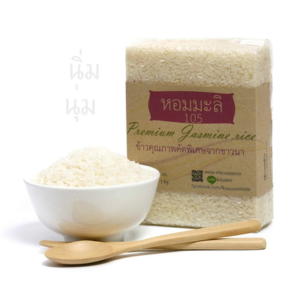
Jasmine rice, also known as Thai Hom Mali Rice, is the most widely consumed rice in Thailand. It is world-famous for its delicate aroma and soft texture.
The grains are long, slender, and white, with a natural fragrance reminiscent of pandan leaves. When cooked, the rice remains aromatic with a well-balanced and pleasant flavor.
Thai Hom Mali rice has received international recognition, including the “World’s Best Tasting Rice” award at the 12th World Rice Conference.
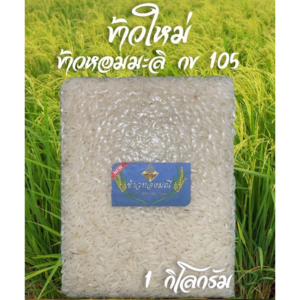
The most popular variety is Hom Mali 105.
In everyday Thai households, jasmine rice is the default choice. It pairs easily with curries, stir-fries, soups, and chili-based dishes, which explains why it dominates Thai dining tables nationwide.
 Shopee
 Lazada
2. White Rice
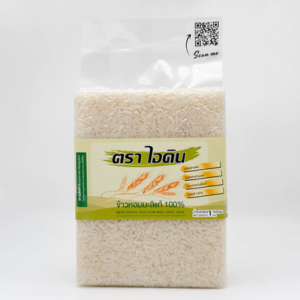
White rice has long, slender grains and a firmer texture compared to jasmine rice. It holds its structure well after cooking, making it suitable for dishes such as rice with curry and fried rice.
This type of rice is especially popular in street food stalls and restaurants, where price, consistency, and cooking performance matter more than aroma.
Sao Hai Rice (Jek Choi Variety)
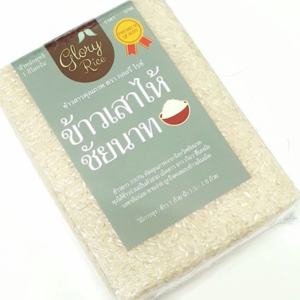
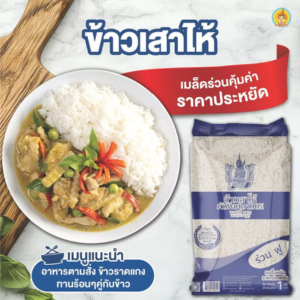
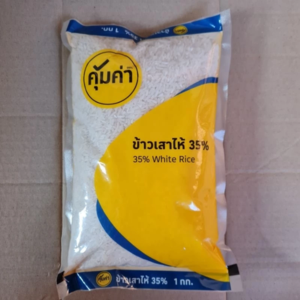
Sao Hai rice, also known as Jek Choi rice, is a well-known high-quality Thai white rice variety.
It has a thin husk and beautifully long grains. When cooked, the rice is fragrant, soft, and maintains its texture well, with good keeping quality. It is commonly used in restaurants and food service settings.
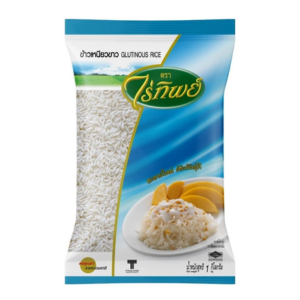
3. Sticky Rice (Glutinous Rice)
Sticky rice has a soft, chewy texture and is a staple food in northeastern and northern Thailand. In these regions, sticky rice often replaces jasmine rice as the main carbohydrate.
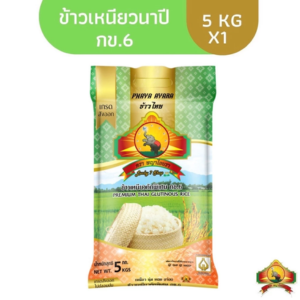
Popular varieties include Khao Niew RD6 (กข.6) and Khao Niew Kiew Ngu (Snake Tooth Sticky Rice).
Khao Niew RD6
The grains are long and slender. When cooked, the rice is sticky, soft, aromatic, and flavorful. It is widely consumed as a daily staple in the Northeast.
Khao Niew Kiew Ngu (Snake Tooth Sticky Rice)
This premium local sticky rice is often called the “King of Sticky Rice.”
Its long grains resemble snake fangs. When cooked, the rice becomes glossy white, soft, aromatic, and slightly chewy. It is commonly used for sticky rice with coconut milk and traditional Thai desserts.
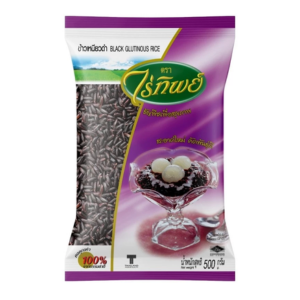
Black Sticky Rice (Khao Kam)
Black sticky rice is a traditional Asian glutinous rice variety with naturally red-purple grains. It is grown mainly in northern and northeastern Thailand.
It is not typically eaten as a daily staple but is commonly used in desserts and sweets.
4. Health Rice Varieties
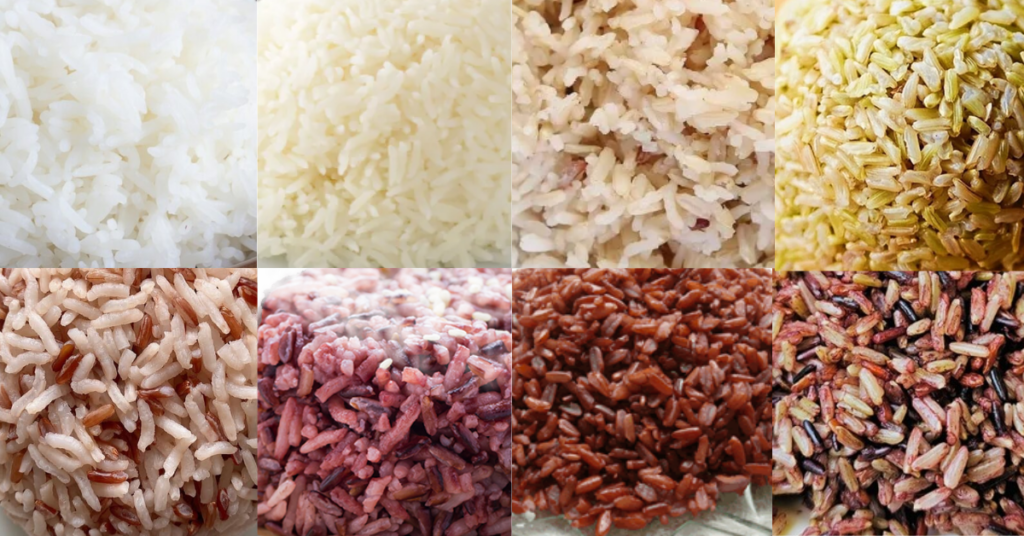
Health-focused rice varieties have gained popularity in recent years, particularly among urban consumers and online shoppers. These include:
-
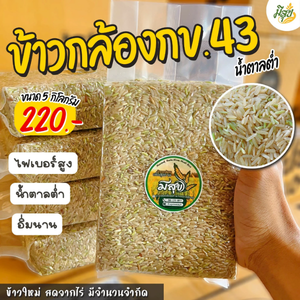
RD43 rice
-
Red jasmine rice
-
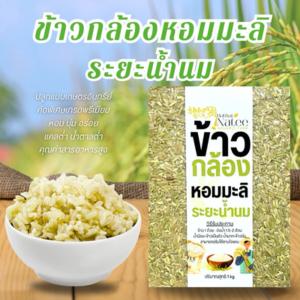
Green jasmine rice
-
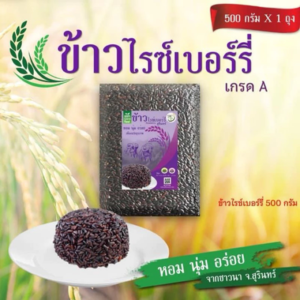
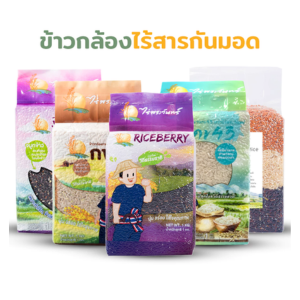
Riceberry
-
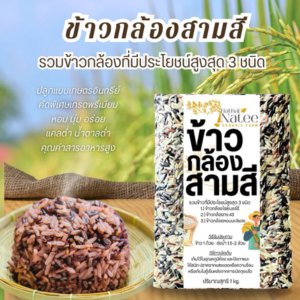
Three-color brown rice
-
Four-color brown rice
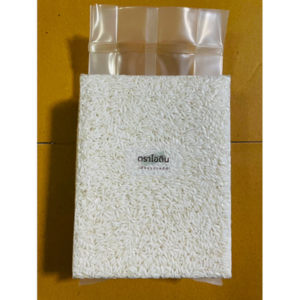
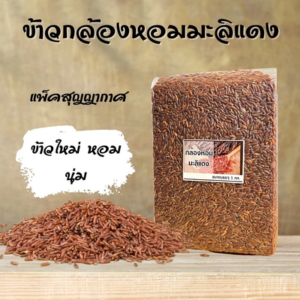
These rice types are either unpolished or lightly polished, making them rich in nutrients. Well-known examples include Riceberry rice, Sangyod rice, and Hom Nin rice. While not consumed daily by most households, they are often chosen for health-conscious diets.
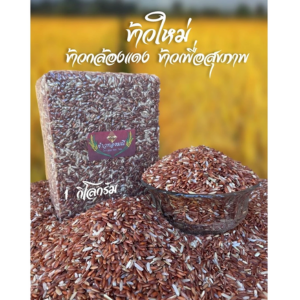
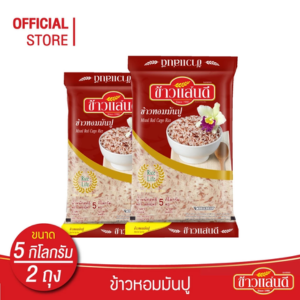
Man Pu Rice
Man Pu rice is a brown or hand-pounded rice variety with a reddish-brown bran layer. It is valued for its nutritional benefits. When cooked, the rice is soft, slightly sticky, and pleasantly aromatic.
5. Other Local Thai Rice Varieties
Lueang Pathio Rice
Lueang Pathio rice can be milled as either white rice or brown rice. It is a local rice variety from Pathio District, Chumphon Province. The grains are yellowish with a natural sheen and good weight. When cooked, the rice expands well and looks very appetizing.
Sangyod Phatthalung Rice
Sangyod rice is a traditional non-glutinous rice native to Phatthalung Province.
It is a type of brown rice with a distinctive red bran layer. When cooked, it has a soft texture and high nutritional value.
Tung Kula Rong Hai Jasmine Rice
Tung Kula Rong Hai jasmine rice refers to Hom Mali rice varieties 105 and RD15 grown exclusively in the Tung Kula Rong Hai region, covering Roi Et, Surin, Sisaket, Maha Sarakham, and Yasothon. The grains are long, clear, glossy, resistant to breakage, and naturally aromatic with a pandan-like fragrance.
How Thai People Choose Rice
In everyday life, Thai people typically choose rice based on type rather than brand. The decision is usually guided by practical factors such as aroma, texture, price, and how well the rice performs when cooked. Different dishes call for different rice qualities, so functionality often comes first.
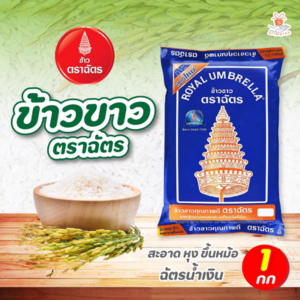
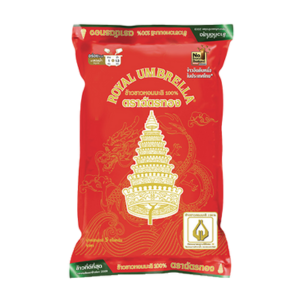
Branding becomes more relevant when households purchase rice from supermarkets or online platforms, where consumers cannot physically inspect the product. In stores such as Tops, Lotus’s, or Villa Market, familiar brands can influence buying decisions. Well-known names like Royal Umbrella, Golden Phoenix, Chalonge, and Maboonkrong are often chosen because they are trusted, recognizable, and associated with consistent quality.
 eBay
eBay Amazon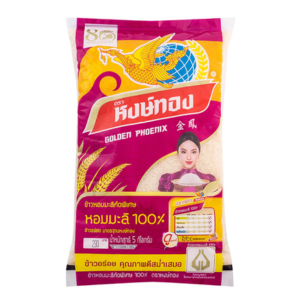
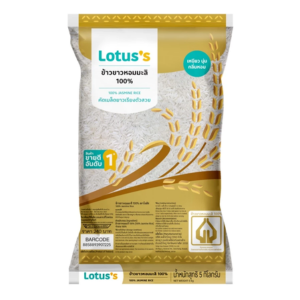
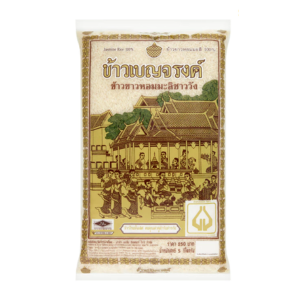
However, in local markets, neighborhood shops, and restaurants, branding plays a much smaller role. Rice is frequently sold in bulk or repackaged without labels, and buyers rely more on experience, recommendations, and price than on brand image. Restaurants, in particular, prioritize practicality—such as cost, grain consistency, and cooking performance—over packaging or brand recognition.
Why Jasmine Rice Dominates Thai Tables
The dominance of jasmine rice is easy to explain: it tastes good and works with everything. It enhances the flavor of Thai curries, softens spicy stir-fries, and absorbs sauces beautifully. Jasmine rice has a mild floral aroma that pairs especially well with herbs, coconut milk, and chili-based dishes. It’s versatile enough to appear in home cooking, street food, and high-end dining.
This is also why jasmine rice is the first thing people abroad look for when trying to cook Thai food at home. The flavor profile and texture simply match the cuisine in a way that other rice types do not.
What About Online Shopping?
When it comes to buying rice through online marketplaces, the decision process shifts again. Consumers who cannot physically smell or inspect the rice tend to prefer trusted brands, clear labeling, and quality certifications. Long-grain jasmine rice, organic varieties, and Thai exports with strong reputations are commonly chosen.
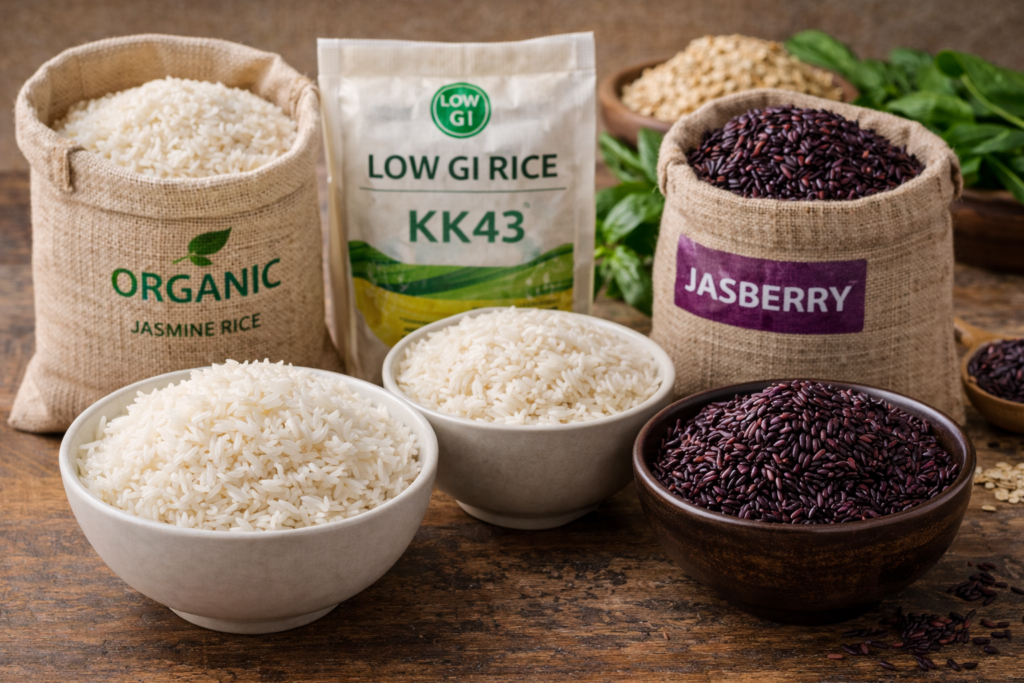
Health-focused rice varieties—such as organic jasmine rice, low GI rice like “KK43,” and purple antioxidant-rich rice such as “Riceberry rice”—have also gained attention among wellness-oriented shoppers, especially those with dietary goals like balanced blood sugar or plant-based eating. While these varieties are not eaten daily by most Thai households, they represent a growing niche with global potential.